productivity tips · Jan 30, 2018
4 productivity tips that make sense for your project in 2018

Last updated: October 21, 2026
Chris Winfield's 4 Ds simplify David Allen's Getting Things Done method into four steps: Dream the big picture using SMART goals, Dump every idea into a tool like Quire before it fades, Divide ideas into smaller actionable pieces by category and priority, then Do the tasks one by one with assignees, due dates, tags, and comments to stay on track.
A new year is a new start, and it often comes with a new determination to do better, and be better.
If 2017 ended unhappily for you with chaos like sticky notes being everywhere all the time, figuring out what was where in your head nonstop and chasing after your colleagues for updates tirelessly, it is time for a change.
That change, is GTD method. If you haven’t heard or read about Getting Things Done, Proposed by David Allen, it is a way for getting organized and stay productive. Chris Winfield’s system is a simpler version of it and I call it, the 4 Ds.

1. How do you dream it and see the big picture?
People say your goals should be SMART: specific, measurable, achievable, relevant and timed. In J.D. Roth’s article, it is about being realistic of your dream with hierarchical, achievable goals to achieve it for a large purpose ultimately. I couldn’t agree more.
Let’s say my friends and I have a vision: make the Earth a better place by creating a lightweight, grab-n-go water bottle.
We see how it has become a habit for people to buy Coke from 7-Eleven that come in plastic bottles, or how OLs grab Starbucks coffee in paper cup on their way to work. If we could make a portable water bottle great for all kinds of drinks, we can help reduce plastic waste, and thus contribute to a better Earth - the one and only place we now live in.
Creating it is one thing; Letting people know about it is another story. So how do we promote it?
That, is the question of the day.
It’s okay to just have a vision of who you want to be, what you want to do and where you want to be for now. Don’t worry about not knowing how to get there. You can fill in the details later.
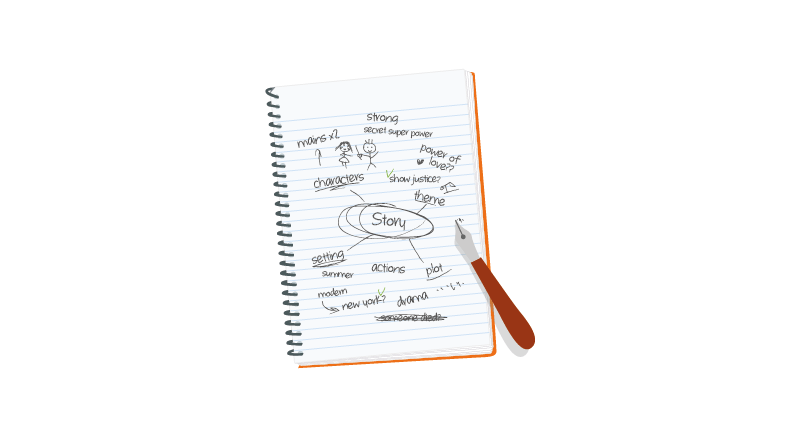
2. How do you dump every idea out of your head?
First thing first. You can start by jotting down all your ideas. What better way to do it than in Quire? You can dump all of your ideas the second the lightbulb goes on in your head even via Siri.
Let’s go back to the question on promoting the water bottle.
Right off the bat, ideas like content marketing, social media marketing, viral marketing, email marketing, SEO, tapping the community - just to name a few - will pop up in our head.
We might not have the details on how to do them yet, but it is perfectly fine to just have the rough, big picture for now.
The key here is to get our ideas down before they fade away.
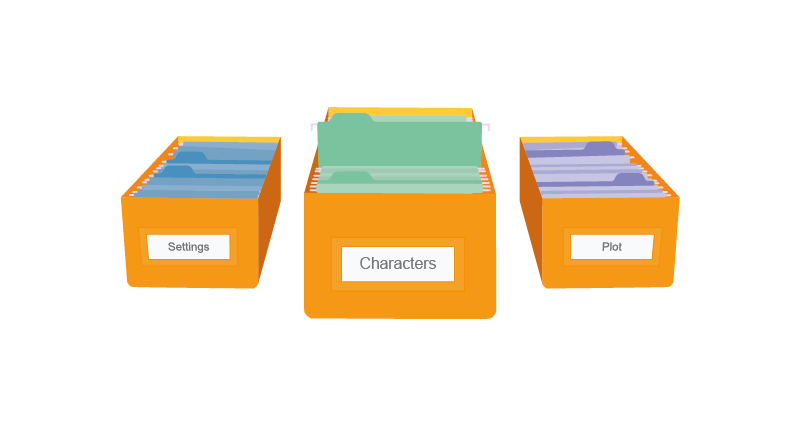
3. How do you divide, organize, and prioritize?
What happens now? We have a list of ideas too big to chew. So, we need to break them down into pieces that are smaller, and easier to tackle.
It is just how we humans think. Naturally.
Related: The Eisenhower Matrix, for People Whose Entire Day Feels Urgent — a concrete way to sort what you just divided into what's actually urgent versus what only feels that way.
For example, when we brainstorm about social media marketing, we will think of connecting to influencers on Twitter and Instagrams and also YouTubers to help us spread the words; Thinking further down this line, we can ask them to share beautiful, real-life photos, and upload crazy, funny videos of them using bottle (remember how the Ice Bucket Challenge went viral?).
Also, when we think of tapping the community, free giveaway of our bottle at charity events like marathons and concerts sound like a wonderful idea. Just look at how Mous is featured in Oscars gift bag.
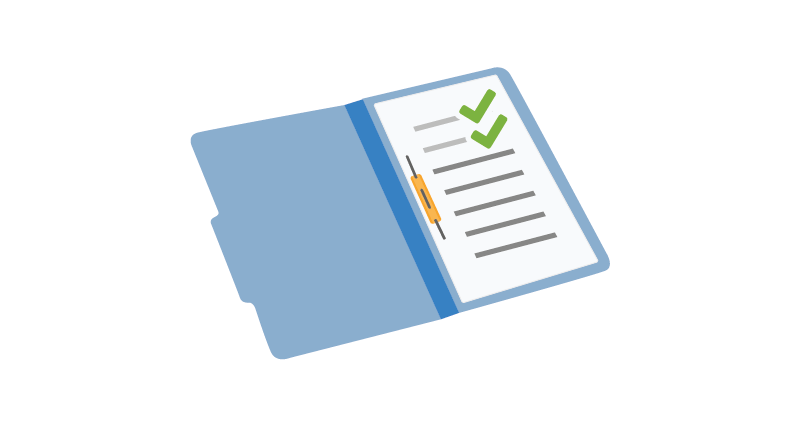
4. How do you do it, one task at a time?
Now that our ideas are broken down into items that have become actionable, my friends and I can start doing them!
First, we can start by compiling a list of influencers and YouTubers we know or after asking around, study them a bit to know what they are into, and ask them politely via an email or Twitter message to get the marketing campaign rolling.
The more we complete the items, the closer we are to accomplishing our goal and thus our dream.
The nice thing about Quire is each item - or I should say task - has an assignee, due date, tag, comments, etc. You can rest assured everyone, and everything is on track and stays on track.
Related: How to Smoothly Switch from Todoist to Quire — if you're running the 4 Ds inside Todoist today, here's what moving them over looks like.
Time is money, and you should spend it wisely. Efficiently.
So what are you waiting for? Get that crazy, innovative ideas out of your head and follow the 4 Ds steps yourself!
The 4 Ds at a glance
Here is the whole method in one view, so you can run it without re-reading the post.
| Step | What you do |
|---|---|
| Dream it | Get clear on the big picture and what you actually want |
| Dump it | Get every idea and to-do out of your head into one place |
| Divide it | Organize, categorize, and prioritize the pile |
| Do it | Work through the tasks one at a time |
More productivity reads: Out of mind, cope with time and Your time comes with a price tag.

Frequently Asked Questions
What are the 4 Ds of productivity?
The 4 Ds are Dream, Dump, Divide, and Do, Chris Winfield's simpler take on David Allen's Getting Things Done. They move you from a big vision to organized tasks you finish one by one.
How is the 4 Ds method different from Getting Things Done?
Getting Things Done is David Allen's original system for capturing and organizing work. The 4 Ds compress the same idea into four memorable steps.
What does it mean to set SMART goals?
SMART goals are specific, measurable, achievable, relevant, and timed. Set them in the Dream step to break a big vision into smaller goals that ladder up to the purpose.
Why should I dump every idea before refining it?
Ideas fade fast, so Dump means capturing every one into a tool like Quire the moment it appears, even via Siri. Refine and prioritize later.
How does Quire help with the 4 Ds workflow?
Quire lets you dump ideas into a nested task list, divide them into subtasks by category and priority, and assign due dates, tags, and comments, all in one place.