dreams · Oct 26, 2015
Your time comes with a price tag

Last updated: July 22, 2026
Time is the one budget you cannot top up, so this is the 4 Ds method for spending it on what matters: Dream it (know the big picture), Dump it (get every idea out of your head), Divide it (organize and prioritize), and Do it (work through tasks one at a time). Quire gives each of the four steps a home, and a weekly review keeps the plan honest.
I have a bucket list.
I’ve always wanted to learn the guitar and Japanese, backpack in Europe, go bungee jumping, and publish a book. However, it seems I can always find excuses to postpone them: I don’t have the time, I don’t have enough money, I don’t know where to begin, etc.
This is why almost 10 years later, my dream of writing a book and having it published before I turn 20 never became a reality.
I don’t want to waste another 10 years! It was time for a change.
I’ve heard and read about the GTD method, and so I’ve decided to try a simpler version of it based on Chris Winfield’s system to help me cross this long-delayed dream off my list. (If you want the fuller GTD setup instead of my shorthand version, we've written about how to set up GTD in Quire.)
I call it the 4 Ds:

Time has a real price, and distraction is what inflates it. Gloria Mark's team at UC Irvine found it takes about 23 minutes to refocus after an interruption, which is why getting the plan out of your head and into a system is the whole game.
1. How do you dream it and see the big picture?
“If you can dream it, you can do it.”
Walt Disney
First, imagine your ideal life. What do you really want from life? What are your ambitions and dreams? It can be anything you’ve always wanted to do, have or achieve.
For example, you might want to learn a new language, travel around the world, do an extreme sport, be your own boss, publish a book, build your dream house, and so on.
It’s okay to just have a vision of who you want to be, what you want to do and where you want to be for now. Don’t worry about not knowing how to get there. You can fill in the details later.
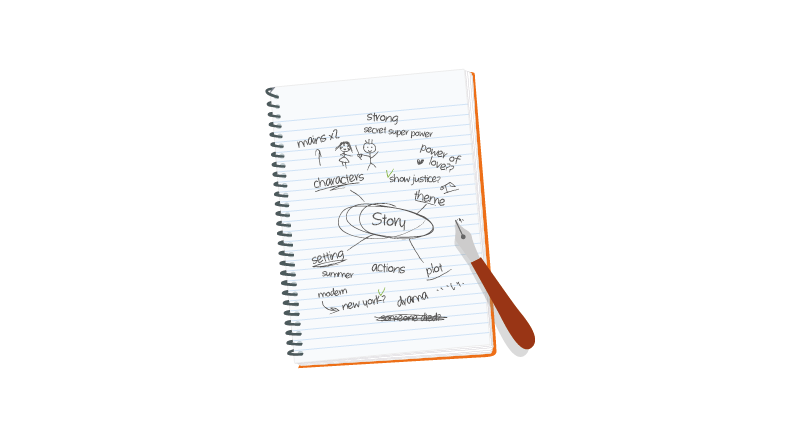
2. How do you dump every idea out of your head?
Once you have the big picture, thoughts, ideas and questions will naturally come to you.
In my case, the first thing that came to my mind was I wanted to write a story of young superheroes and superheroines fighting against a supervillain but the bad guy falls in love with the good girl and they - very much like Bellamy and Clarke from The 100 - run off together and live happily ever after (I know it sounds a bit ridiculous).
Next, I asked myself what should the plot be, what is the climax, how many chapters I should have, how many pages I should write, what publisher I should submit my story to, etc.
The key here is to get your ideas down before they fade away.
Simply use your Lamy or Moleskine to write them down. They can be messy and ugly, but that’s okay. Or, if you’re more comfortable typing on a computer, TextEdit, Notepad or Google Doc is a good choice too. Free note-taking apps like Evernote are great as well, and it even works on your smartphone.
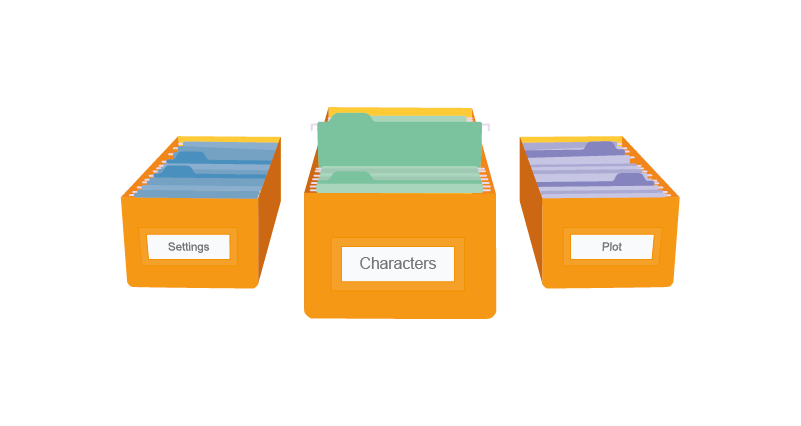
3. How do you divide, organize, and prioritize?
Now that you’ve gotten your ideas down, it’s time to organize, categorize and break them down into actions. The same divide-and-conquer approach works for any overwhelming goal, not just a book; we broke down a 90-minute documentary film project the exact same way.
Outliner apps especially one with unlimited number and levels of tasks like Quire will be helpful at this point.
For example, I’ve created my dream project named “My Book” and inside it a task “Characters” with children tasks including “Names and personalities” and “A character relationship chart.” The former children task was further broken down into “Protagonists,” “Antagonists” and “Others.” That's the nested task structure at work: unlimited levels, each one breaking the goal down further.
I’ve also added specifics, such as due date and tag like In-Progress or Later, to each task, so I know what should be done first and what should have my attention.
Related: Say Hello to Quire Templates: Project Kickstart Made Easy — if setting up a new dream project like "My Book" from scratch feels daunting, a ready-made template gives you a structure to start from instead.
4. How do you do it, one task at a time?
This is the step that’ll take the most time, as you’ll need to conquer each task one by one, starting from the easiest to the most challenging.
Obviously, the easiest task for me was to come up with the names for my characters, and the most difficult one that I’ll definitely need help with and I’m saving for later is finding a publisher that’d be willing to publish my book.
The good thing is that when even the most challenging task has been further broken down into simple ones like “Search for appropriate publishers” and “Email appropriate publishers”, what seemed terrifying, isn’t so terrifying.
When you’ve started your dream project, a review of it will help you stay on track.
Every Sunday afternoon, I spend 10 minutes to review my work:
- Collapse the tasks. I only see the first-level tasks, without being disturbed or overwhelmed by the details.
- Zoom in. I look at each task, adding new ones and reordering them.
- Update tags. I remove “In-Progress” from those I’ve finished over the past week, mark them complete, and add the same tag to the ones that should be done in the upcoming week.
See, it didn’t take days or months for my dream to look realistic. It isn’t so far away now, because I’ve finally started somewhere, and can clearly see where I’m heading.
Time isn’t free, you’re paying it with your life. Instead of wasting it on imagining what your dream would be like in your head, make it happen. In reality.
So what are you waiting for? Create your own bucket list and follow these steps yourself!
What are the 4 Ds at a glance?
The method in one view, so you can run it without re-reading the post.
| Step | What you do |
|---|---|
| Dream it | Get clear on the big picture and what you actually want |
| Dump it | Get every idea and to-do out of your head into one place |
| Divide it | Organize, categorize, and prioritize the pile |
| Do it | Work through the tasks one at a time |
More productivity reads: 3 Reasons to Be and Stay Lazy and Last Quarter is Here: Are You Ready to Reset with Quire?.

Frequently Asked Questions
What is the 4 Ds method for chasing a dream?
Dream it, Dump it, Divide it, and Do it. You picture the big goal, get every idea down, break ideas into tasks, then complete each task starting from the easiest.
How does Quire help break a big dream into actions?
You can create a project like "My Book" and nest unlimited levels of tasks under it, so a big goal breaks into small, doable steps.
How can a weekly review keep a dream project on track?
Spend 10 minutes every Sunday: collapse tasks to see just the first level, zoom in to add and reorder tasks, mark finished work complete, then tag what's due next week.
What inspired the 4 Ds approach?
A simpler version of the GTD method, based on Chris Winfield's dream, dump, map, chunk system.