productivity tips · Jan 5, 2016
Keep Your New Year's Resolutions on the Road

Last updated: July 22, 2026
Roughly 25% of people abandon their New Year's resolutions by January 7. Sticking with them comes down to three steps: make a plan by breaking goals into smaller items, organize it with due dates, priorities, tags, and assignees, then execute by filtering the list to a few focused tasks. Adjust freely as circumstances change, and the goal stops feeling far off.
New year comes with an opportunity for you to become a more productive, better and happier person by kicking off the resolutions you set to accomplish.
Having said that, people who set resolutions never expect themselves to follow through. In fact, 25% of them give up by January 7. Here’s a tip to help you go from making them, to actually keeping them. We've also written about the more common ways people fail at New Year resolutions, if you want to know what to avoid.
How do you make a plan for your resolution?
How many times have you had ideas, but never had the chance to carry them out in the real world?
What you need is a plan. A plan can be an outline where you’ve taken down ideas, divided them into smaller items and organized them in the order you want.
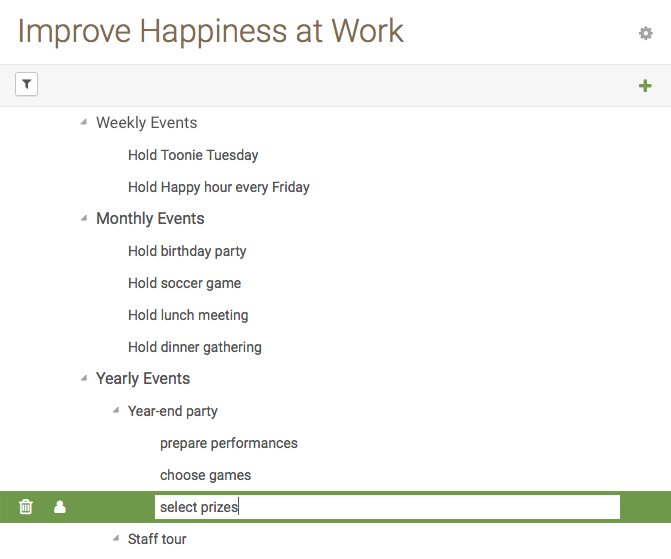
How do you organize your resolution plan?
You now have a plan, which is great. But you may have trouble sticking to it.
The solution is a plan with details like due dates, priorities, tags and assignees, so you’ll know what should be done, when should they be done and who should do them. If you're not sure how to rank the priorities themselves, the Eisenhower Matrix is a quick way to sort urgent from important.
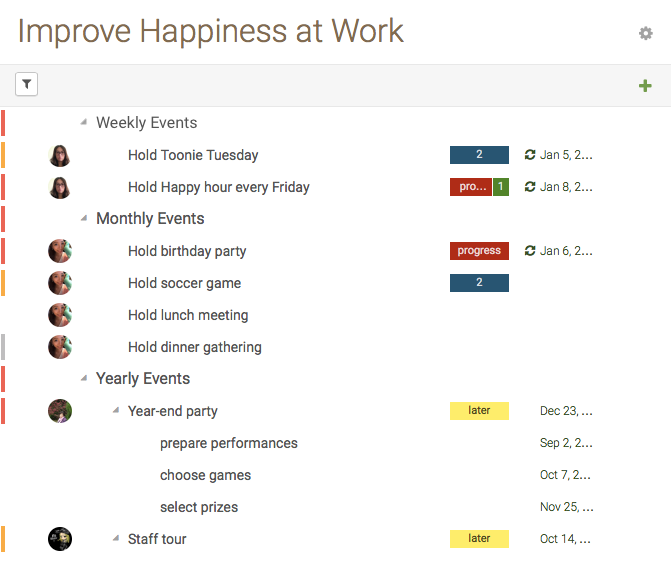
How do you execute your resolution plan?
Even with a detailed plan, you may have difficulty figuring out what you should do next.
By selecting your own filter options, you can focus on just a few tasks that need your immediate attention.
And, more importantly, DO them like Shia LaBeouf urges you to do!
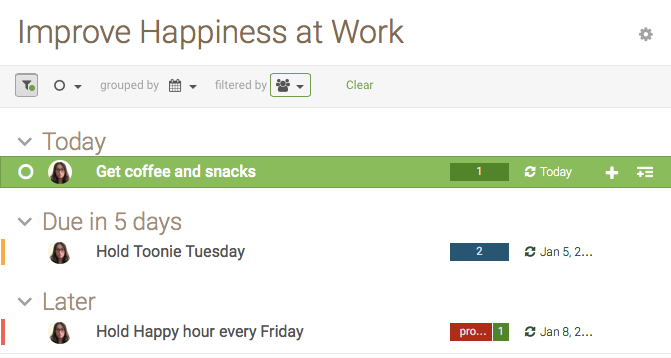
So basically, make a plan, organize the plan, and carry out the plan. Don’t be afraid to change it if something comes up, because you can always add something in or change something, and still focus on what needs to be done.
Then, whatever goal you’ve set won’t be a far-off thing you’re shooting for!
How do you keep a resolution alive when you're on the road?
The plan is easy to follow at your desk. The real test is the week you're living out of a suitcase.
Travel breaks routines, and a broken routine is where most resolutions quietly die. Ohio State found that 92% of adults never follow through on a resolution, and the drop-off usually starts the first time normal life gets interrupted. A conference, a holiday, one chaotic week, and the streak is gone.
A few habits keep it going when you're away from your usual setup.
Shrink the goal for travel days. A ten-minute version of the habit still counts. Missing entirely is what breaks the chain, not doing less.
Keep the plan in your pocket. Your resolution list lives in the Quire mobile app, so a hotel lobby or a delayed flight is enough time to check off a task or two.
Protect one thing, not five. On a packed trip, pick the single item that matters most that day and let the rest wait. The plan is still there when you land.
Restart without the guilt. Missed three days on a work trip? Day four is not a failure, it's just day four. The people who keep resolutions treat a slip as one slip, not a verdict on the whole year.
More on making resolutions stick: New Year Resolutions: Why Small Goals Work Better and Best New Year's Resolutions that You Can Actually Keep.

Frequently Asked Questions
How quickly do most people abandon a New Year's resolution?
Most people don't really expect to follow through, and about 25% give up by January 7 because there's no real plan behind the resolution.
How do I turn a New Year's resolution into a real plan?
Break the goal into smaller items and organize them in the order you'll tackle them, turning vague intent into concrete next steps.
What details should I add to my resolution plan?
Add due dates, priorities, tags, and assignees to each item, so you always know what's due, when, and who owns it.
How do I avoid feeling overwhelmed by a long resolution list?
Use filters to focus on just a few tasks that need immediate attention instead of staring at the whole list at once.
Should I change my plan if circumstances shift?
Yes. Add or change items as things come up. Staying flexible keeps the plan alive instead of letting it stall.